An Overview of the 13 Disability Categories and the Role of Special Education Professionals
Under United States law, every eligible student with a disability has the right to a free public education that meets their individual needs. In the 2022–2023 school year, 7.5 million students aged 3 through 21 received special education or related services under the Individuals with Disabilities Education Act (IDEA), according to National Center for Education Statistics (NCES) data. That’s about 15% of all public school students.
The 13 disability categories outlined under IDEA determine which students qualify for special education support and help shape the services they receive. Understanding how each category is defined and what that means in terms of day-to-day instruction is important for anyone interested in pursuing a degree in special education.
What Are the 13 Disability Categories?
A student qualifies for special education under one of 13 categories when two conditions are met:
The student has a disability matching the category’s definition.
That disability creates a need for specially designed instruction.
Often a child’s parents, teachers, or healthcare providers are the first people to notice a child’s potential disability. To determine whether a student needs special education support, an assessment is conducted by a team of qualified professionals, working with the student’s parents, who evaluate the student and determine whether their needs fall under one of the 13 categories. When a student qualifies, the team develops an individualized education program (IEP) for them that sets annual goals and specifies the special education and related services the school will provide to the student.
Under IDEA, students with disabilities must be educated with their nondisabled peers to the greatest extent suitable. The U.S. Government Accountability Office found that the number of students with disabilities spending at least 40% of the school day in general education classrooms grew 25% between the 2012–13 and 2023–24 school years, from 4.6 million to 5.7 million.
The following are the 13 categories under IDEA, with relevant statistics from the 2022–23 school year (the most recent data is provided by the NCES):
1. Autism
Autism is a developmental disability that affects a student’s communication and social interactions and can impact their educational performance. Common signs of autism include repeating activities, resisting change, and reacting unusually to sensory experiences. According to the NCES, students with autism account for about 13% of students receiving services.
2. Deafblindness
Deafblindness is combined hearing and vision loss. This affects a student’s ability to gather information, communicate, and connect with others. Since the severity of students’ deafblindness varies widely, the accommodations made for them are tailored to each student. The National Center on Deafblindness reports that, as of 2022, 88% of children with deafblindness also had one or more other disabilities, including speech/language impairments (77%) and cognitive impairments (64%).
3. Deafness
Deafness, which means having little to no hearing ability, is a severe type of hearing loss classified separately from hearing impairment. Students with hearing loss greater than 90 decibels (dB) are typically considered deaf for educational placement. Signs of deafness include not responding to directions, speech development delays, and frustration due to hearing challenges.
4. Emotional Disturbance
Signs of an emotional disturbance in students can include difficulty maintaining relationships, inappropriate behavior or feelings, persistent depression, and fears or physical symptoms related to school or personal problems. Schizophrenia is also included in this classification. According to the NCES, students with emotional disturbances accounted for about 4% of students receiving services under IDEA.
5. Hearing Impairment
IDEA states that a hearing impairment, whether it is permanent or fluctuating, can challenge students in the areas of learning vocabulary, grammar, word order, idioms, and other verbal skills. Each student’s hearing impairment is categorized as slight, mild, moderate, severe, or profound based on how well they hear sounds linked to speech. According to the NCES, students with a hearing impairment accounted for about 1% of students receiving services under IDEA.
6. Intellectual Disability
An intellectual disability, which can impact both a student’s thinking skills and their daily life skills, usually starts before age 22. It can affect the student’s intellectual functioning, including their skills in areas such as learning, reasoning, and problem-solving, as well as their adaptive behavior. According to the NCES, students with intellectual disabilities accounted for about 6% of students receiving services under IDEA.
7. Multiple Disabilities
IDEA mandates that when a student has two or more disabilities, such as an intellectual disability along with blindness or an orthopedic impairment, the combination creates educational needs that a single-disability program can’t meet. In fall 2022, just 16% of students with multiple disabilities spent at least 80% of the school day in general education classes, according to the NCES, the lowest rate of any category.
8. Orthopedic Impairment
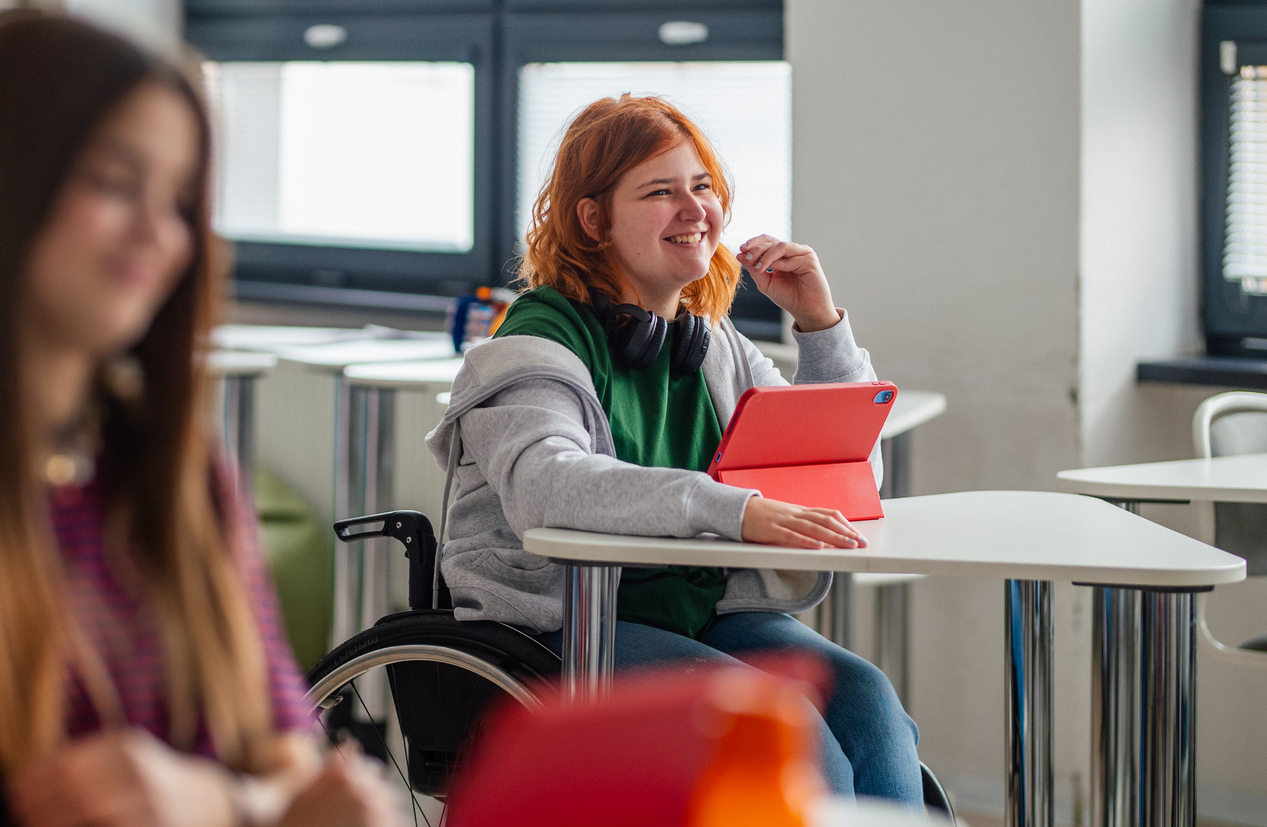
An orthopedic impairment is a physical disability that adversely affects a student’s educational performance. It can be caused by congenital conditions, disease, or other factors. Orthopedic impairments include cerebral palsy, amputation, spinal cord injuries, fractures, burns, or muscular problems. Walking, writing, sitting, or participating in school activities may be difficult for a student with an orthopedic impairment, and they may require specialized instruction, assistive devices, or other accommodations.
9. Other Health Impairment
Other health impairments are any chronic or acute health conditions that limit a student’s strength, energy, or alertness and negatively affect their educational performance. Examples of other health impairments include asthma, attention-deficit/hyperactivity disorder (ADHD), diabetes, epilepsy, heart conditions, sickle cell anemia, and Tourette syndrome. According to the NCES, students with other health impairments accounted for 15% of the students served under IDEA.
10. Specific Learning Disability
A specific learning disability affects one or more of a student’s processes involved in understanding or using spoken or written language. Students may have difficulty listening, thinking, speaking, reading, writing, spelling, or calculating. IDEA includes conditions such as dyslexia and developmental aphasia in this category but excludes learning problems caused primarily by other disabilities or by environmental, cultural, or economic factors. According to the NCES, specific learning disabilities were the most common disability category among students served under IDEA, accounting for 32% of these students.
11. Speech or Language Impairment
A speech or language impairment is a communication disorder that negatively affects a student’s educational performance. Under IDEA, this can include stuttering, difficulty producing speech sounds, difficulty understanding language, and voice impairment. According to the NCES, 19% of students served under IDEA had speech or language impairments. In fall 2022, 89% of students in this category spent at least 80% of their school day in general education classes.
12. Traumatic Brain Injury
To fall under this category, a student’s traumatic brain injury must have been caused by an external physical force. (IDEA includes brain injuries that are congenital, degenerative, or caused by birth trauma in other categories.) Depending on the injury, students may experience problems with memory, attention, reasoning, language, behavior, information processing, movement, or other functions. In 2022, 2.3 million U.S. children and adolescents age 17 or younger had at some point been diagnosed with a concussion or brain injury, according to the Centers for Disease Control and Prevention (CDC).
13. Visual Impairment
A visual impairment, including blindness, is a loss of vision that negatively affects a student’s educational performance even when corrected. IDEA includes students with both blindness and partial sight in this category. Students with visual impairments account for less than 0.5% of students served under IDEA. In fall 2022, 69% of students with visual impairments spent at least 80% of the school day in general education classes.
What Are Learning Disabilities?
Learning disabilities can affect how a student reads, writes, or does math. They can make it difficult for the student to communicate verbally or nonverbally. Every student with a learning disability is different, with some cases being mild and others severe.
Students with learning disabilities may have difficulty processing information, but that is not a measure of their intelligence. In fact, many have average or above-average IQs. Cognitive assessments to identify a student’s learning disability are conducted by qualified school or educational psychologists, clinical psychologists, and clinical neuropsychologists.
The Role of Special Ed Professionals: Students With Learning Disabilities
Special education professionals assess students’ skills and adapt lessons to meet their learning needs. They co-develop IEPs and have a key role in implementing them in the classroom and tracking their students’ progress, working with the students’ families as well as with teachers, counselors, and administrators. Special education professionals may teach students individually, in small groups, or alongside general education teachers in inclusive classrooms.
Strategies for special education professionals teaching students with learning disabilities include the following:
Differentiated instruction: Special education teachers might model a skill first, then provide guided practice, and gradually encourage students to work independently.
Visual and work habits support: Using graphic organizers, highlighted vocabulary words, scaffolding (temporary support that is removed as students gain confidence), and chunking (dividing assignments into manageable pieces) can help make assignments easier for students to understand and complete in reading, writing, and other content areas.
Assistive technology: Incorporating tools such as speech-to-text software, audiobooks, and other digital programs into classroom activities can help students access information and demonstrate what they know.
What Are Developmental Disabilities?
Developmental disabilities are a group of conditions that cause students to have physical, learning, language, behavioral, or other impairments. These include autism, intellectual disabilities, cerebral palsy, and other developmental disorders. Each student is different. One might have difficulty communicating or acquiring new information, while another may struggle with movement, behavior, social interaction, or independent living skills.
The Role of Special Ed Professionals: Students With Developmental Disabilities
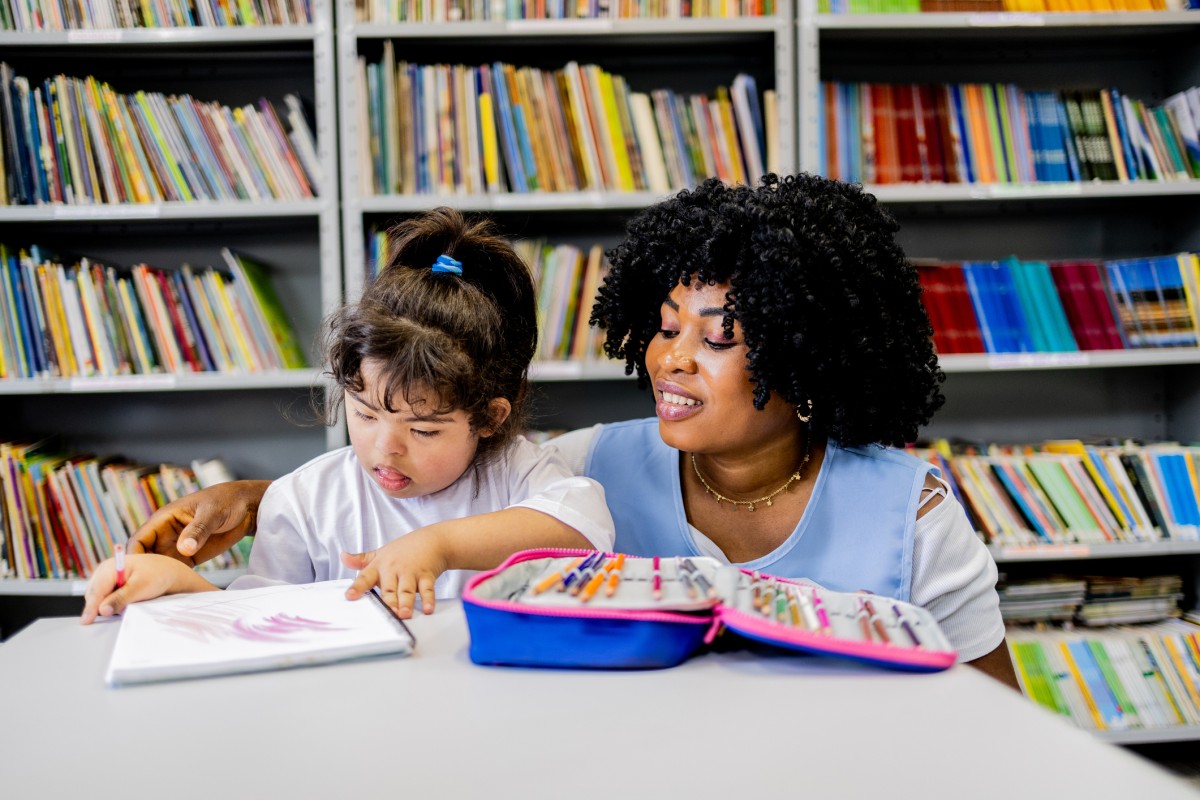
Special education professionals are trained to help students with developmental disabilities acquire academic, communication, social, behavioral, and independent living skills based on their individual needs. They may teach students directly and work with the students’ general education teachers, therapists, and families as well as other professionals.
Strategies for helping students with developmental disabilities include.
Breaking skills into manageable steps: Teachers can simplify complicated academic, communication, or daily living tasks for students by breaking them down into smaller steps and practicing them until the students can do more of the tasks independently.
Visual and structured supports: Visual schedules, graphic organizers, pictures, demonstrations, routines, and organized learning environments can be applied to assist students in comprehending what is expected of them and completing activities.
Reinforcing skills across settings: Educators, therapists, and families can work together to help students practice the skills they are learning in different classrooms, activities, and everyday situations.
What Are Language Disorders?
Language disorders affect students’ ability to understand or express spoken, written, or other forms of language. Students with language disorders may struggle with understanding spoken words, expressing their thoughts clearly, learning new words, forming sentences, or using language effectively in social and academic settings.
Speech-language pathologists screen and assess students for speech, language, communication, and literacy difficulties. Based on their findings, they can recommend interventions tailored to a student’s personal communication needs.
The Role of Special Ed Professionals: Students With Language Disorders
Special education professionals and speech-language pathologists often work together to assist students whose language disorders interfere with their learning. Strategies for supporting students with language disorders include the following:
Individualized or small-group support: Special education teachers may work with students one-on-one or in small groups on their language comprehension, expression, vocabulary, and other communication skills.
Evidence-based language interventions: Targeted interventions can address areas that make it difficult for students to understand classroom material or communicate what they know.
Flexible learning: Special education professionals and speech-language pathologists may work together to adapt instruction and improve students’ access to classroom content.
What Are Health Impairment Disabilities?
Health impairment disabilities are chronic or acute health problems that limit a student’s strength, energy, alertness, or ability to participate in school activities. Examples include asthma, ADHD, diabetes, epilepsy, heart conditions, sickle cell anemia, and Tourette syndrome.
The effects of these disabilities on students’ learning depend on the condition and its severity. Some students may experience fatigue, difficulty concentrating, medication side effects, or physical limitations. Others may need additional time for assignments, changes to their schedule, or support managing schoolwork during periods when symptoms become more severe.
The Role of Special Ed Professionals: Students With Health Impairment Disabilities
Special education professionals help students remain engaged in classroom instruction and cope with the educational effects of their health conditions. They may work with the students’ general education teachers, their families, school nurses, therapists, and other professionals on strategies such as:
Flexible academic support: Teachers can modify students’ workloads, deadlines, or schedules or their teaching style based on the students’ stamina, attention span, or ability to complete work.
Assistive technology and accommodations: Supportive tools such as note-taking technology, digital learning materials, modified seating, additional breaks, or extra time for assignments and tests can be incorporated into classroom tasks to help students manage their classwork.
Periodic check-ins with families and school professionals: A teachers’ regular communication with a students’ families and other professionals can help ensure that the academic support students receive reflects any changes in their health or educational needs.
Building a Career Supporting Students With Disabilities
Every student with a disability has their own distinct needs, and no single teaching method works for all students. Special education professionals use their assessment skills and proven teaching strategies to offer just the right support to each student. This could mean modifying a reading lesson, collaborating with a speech-language pathologist or other specialist, or adjusting a schedule for a student with a chronic health condition.
Through formal training, educators learn about evaluation techniques, teaching practices, accommodations, and assistive technologies that help meet each student’s specific needs so that they can succeed academically and gain independence.
Teachers with expertise in special education help create inclusive classrooms where students with different needs learn and participate alongside their peers. Wilson College Online’s Bachelor of Arts in Special Education degree program includes coursework in areas such as child development, educational psychology, and educating students with special needs, helping aspiring special education teachers develop the knowledge and skills needed to pursue their career goals.
Take the next step toward a career in special education with Wilson College Online.
Sources:
Center for Parent Information & Resources, Categories of Disability Under Part B of IDEA
Cleveland Clinic, “Learning Disabilities and Disorders”
Healthline, “What Is the Difference Between Being Hard of Hearing and Deaf?”
IDCC Health Services, “Is Speech Therapy Considered Special Education?”
IDEA, Sec. 300.8 Child With a Disability
Learning Disabilities Association of America, What Are Learning Disabilities?
MedlinePlus, Developmental Disabilities
National Association of Special Education Teachers, “Comprehensive Overview of Hearing Impairments”
National Center for Education Statistics, “Students With Disabilities”
National Center on Deafblindness, Deafblindness Overview
National Science Teaching Association, “Motor Impaired/Orthopedic Disability”
U.S. Bureau of Labor Statistics, Special Education Teachers
U.S. Centers for Disease Control and Prevention, Developmental Disability Basics