How to Create an Inclusive Classroom
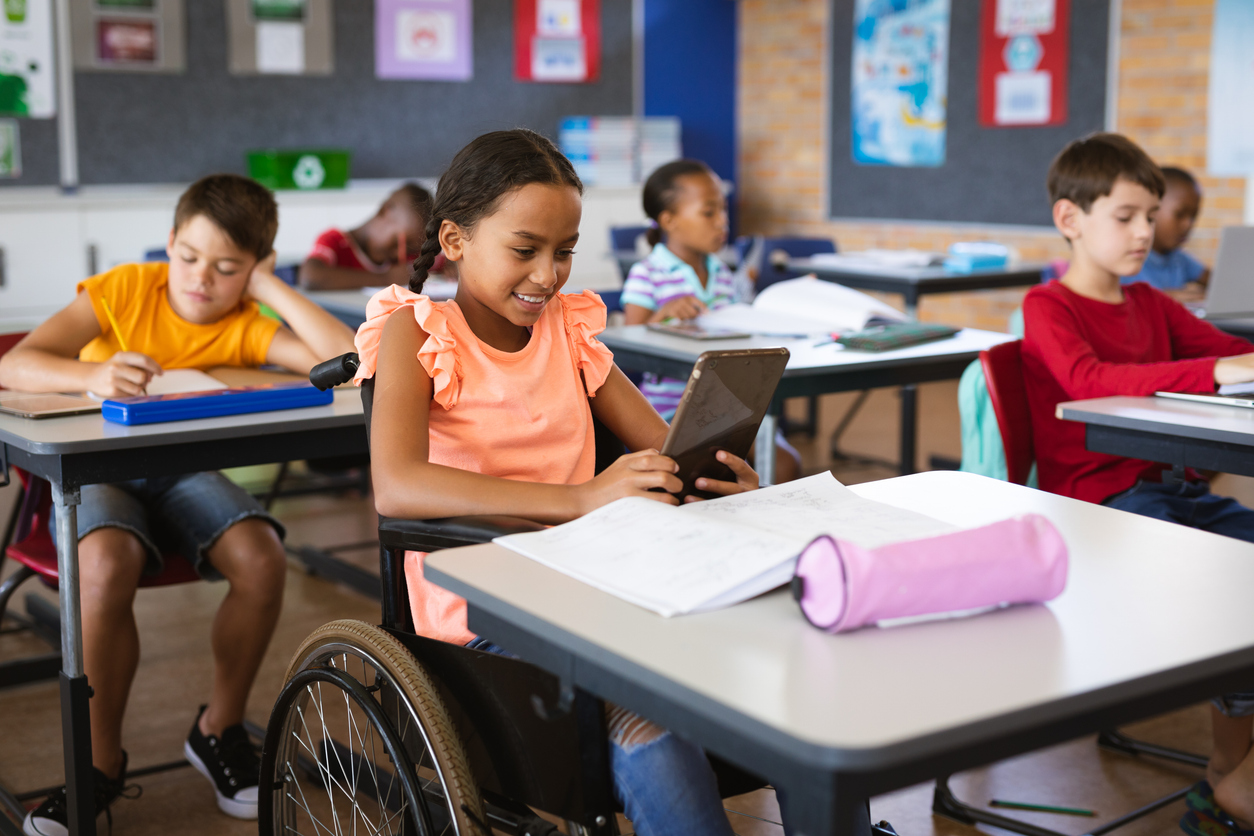
Inclusive classrooms that provide students with equal access to resources and social interaction can be critical to student success. For example, a systematic review of 21 studies published in the European Journal of Special Needs Education in 2025 found that students with special educational needs often perform better in inclusive environments than in noninclusive settings.
Students with disabilities are not the only students who can benefit from inclusive classrooms. Students who face disadvantages due to factors such as race or socioeconomic status, as well as students from diverse cultural backgrounds, can also benefit from efforts to achieve more inclusive learning spaces. When educators and communities promote inclusion, they help ensure that all students can reach their full potential.
Anyone who may be interested in completing a Master of Education (MEd) degree program needs to know how to create an inclusive classroom and provide students with the opportunity to get the most out of their educational experience.
What Makes a Classroom Inclusive?
Inclusive classrooms can look a little different from school to school. Each district’s policies and practices are shaped by state and district laws and the community’s needs. However, the U.S. Department of Education has identified a few best practices for creating an inclusive learning environment.
Overall, inclusive learning environments should:
- Provide students with a sense that they belong. It’s important to create educational environments that feel welcoming and safe and that are characterized by positivity.
- Address students’ social and emotional needs and support their physical and mental health. Educators can strengthen inclusion by promoting early intervention to address specific problems that students face, helping students develop social and emotional skills and identifying community resources that can address students’ nonacademic needs.
- Feature teachers who’ve received strong training in supporting students. Teachers who’ve been trained in managing inclusive classrooms and keeping students engaged are better prepared to build trusting relationships with the students in these classrooms. When possible, training on inclusive teaching strategies should be made available.
- Utilize differentiated instruction tools. Differentiated instruction is a teaching strategy that involves offering students a mix of learning tools so every student’s needs can be met. This means a teacher might deliver a lecture while also assigning a group project, break up lessons differently for different groups of students, or provide students with a blend of visual, hands-on, and writing learning opportunities.
- Involve families. Meeting a student’s needs requires collaboration between educators and the student’s family or caregivers. As such, teachers in inclusive classrooms should seek caregivers’ input, involve them in decision-making, and empower them to understand and take an active part in their child’s learning.
- Employ multitiered systems of support (MTSS). The MTSS framework is made up of three components: supports designed for all students, supports for specific groups of students, and supports for individual or small groups of students. These supports should be evidence-based and implemented in alignment with data about each of the students themselves.
Benefits of Inclusivity in Schools
When educators work to instill inclusivity in the classroom, the benefits can be substantial. Inclusive classrooms benefit not only students facing disadvantages but also students, teachers, and society as a whole.
Benefits to Students Who Face Disadvantages
In 2024, the National Center for Education Statistics reported that about 15% of public school students in America (7.5 million students) received services related to special education. Inclusive environments empower those students to grow alongside their peers as well as do the following:
- Improve their academic performance
- Strengthen their ability to communicate
- Develop problem-solving skills
- Boost their self-image
- Reduce emotional distress
- Encounter less harassment
Benefits to All Students
According to the 2025 systematic review published in the European Journal of Special Needs Education, inclusive environments typically do not negatively affect students in the classroom who do not have special needs. In fact, all students can thrive in this environment as they:
- Cultivate respect for the differences among people
- Build their acceptance of diversity
- Deepen their understanding of how to help others to participate in learning
- Strengthen their ability to demonstrate empathy
- Improve their skills in conflict resolution
Benefits to Teachers
Even teachers can benefit when they teach in inclusive classrooms. For example, teachers have the chance to:
- Improve their ability to create lesson plans for diverse learners
- Strengthen their skills in collaborating with other teachers
- Enhance their understanding of different learning styles
Benefits to Society
In the long run, our society can benefit from inclusive education because it can strengthen students’ ability to make positive contributions to our world. Inclusion also prepares students to operate in diverse environments after they leave school.
7 Tips for Creating an Inclusive Classroom
In making classrooms inclusive, educators can implement various strategies. The tips outlined below explain some of the common actions that can bring inclusion to education.
1. Know the Students
Successful inclusion rests on getting to know each student. Therefore, collecting specific data on students can help educators develop a profile of the student population they serve and identify their students’ needs.
For example, gathering information on students’ disabilities, racial identities, language learning needs, and income status can help in devising ways for educators to implement inclusion in classrooms.
Examples of other types of information that can be helpful to consider include data on disciplinary actions, graduation rates, and students’ enrollment in postsecondary education.
2. Gain Administrative and Community Support
While educators are often charged with carrying out inclusive policies, setting up the required systems is a community effort. Administrators can research and write proactive policies; nonprofits can provide funding, resources, and training; parents and the community at large can help in every step of the process.
According to the U.S. Department of Education, federal agencies can also offer assistance. Many schools use Individuals With Disabilities Education Act (IDEA) grants to fund inclusive programs, but agencies such as the Department of Health and Human Services and the Department of Labor can also provide training, workforce development resources, and logistical support.
3. Tailor Curriculum for Inclusion
Educators can make efforts to ensure that the curriculum is geared toward inclusion. For example, they can make lessons culturally relevant to students from all backgrounds, particularly those from marginalized groups. Even courses on technical and scientific subjects can be made more inclusive through discussion of the contributions that people of differing backgrounds have made to those fields.
4. Train Teachers Regarding Inclusion in Education
Teachers need to receive sound training in inclusion, and schools can provide that training in various ways. For example, they can offer teachers individual training through educational videos, webinars, or self-study training modules. Teachers also can receive group training through workshops that engage teachers while they learn together about inclusion.
5. Encourage Collaboration
Promoting and encouraging collaboration can be very productive in striving for inclusion in education. Collaboration can result in sharing innovative ways to solve problems and strengthen inclusive classrooms. For example, a special education teacher may have tips for special education classrooms that other teachers can weave into their inclusive classrooms.
6. Evaluate and Adjust Inclusion Efforts
Reviewing inclusion efforts to assess their success is important. For example, some school districts conduct equity audits or perform self-assessments to judge whether inclusion efforts are reaching their goals.
After reviewing inclusion programs, educators need to adjust inclusion efforts that are not resulting in positive outcomes to help to ensure that students have the best opportunities to learn.
7. Leverage Technology
As difficult as it can be to meet all students’ needs, educators can use different types of educational technology to help them move closer to that goal. Today, educators have more tools than ever at their disposal.
A 2025 study published in Frontiers in Education found that educators have successfully implemented electronic braille displays, text-to-speech software, sign language translation programs, and a wide range of other technologies to facilitate communication and drive engagement in their classrooms. The study also notes that technology can help educators develop more meaningful connections with students and help schools boost enrollment.
Create Inclusive Classrooms for Inclusion Education
Ultimately, making classrooms inclusive is crucial in enabling students to get the most from their education. When schools, teachers, and stakeholders make inclusion a key element in education, the benefits can extend to entire communities.
Individuals who have an interest in subjects such as inclusion and want to advance their knowledge of education can explore Wilson College Online’s MEd degree program to learn how it can help them achieve their career goals. Featuring self-paced courses and curriculum founded in best practices, the program can set you on the path to rewarding work in education.
Take the first step on that path today.
Recommended Readings
What Are the Benefits of Collaboration in Special Education?
What Can You Do With a Master’s in Education?
Sources:
Education Advanced, “What Is Equity in Education? Strategies for Schools and Teachers in 2024”
EdWeek, “Why Inclusive Classrooms Benefit Every Student, Not Just Those With Disabilities”
Inclusive Schools Network, “Building Inclusive Classrooms for a New School Year”
Inter-agency Network for Education in Emergencies, “Inclusive Education”
Institute of Education Sciences, “Consistent Implementation of a Multi-tiered System of Supports”
U.S. Centers for Disease Control, “Inclusive Practices Help All Students Thrive”
U.S. Department of Education, “Building and Sustaining Inclusive Educational Practices”